


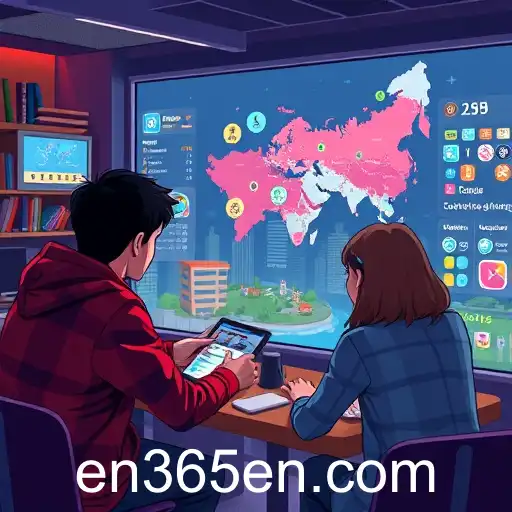
In the rapidly evolving educational landscape of 2025, digital platforms remain at the forefront of transformative learning experiences. One such platform, en365, has gained widespread recognition for its unique approach to teaching English through interactive gaming. As educational technology continues to bridge gaps in language acquisition, en365 stands out by combining entertainment and education seamlessly.
Designed to enhance language skills, en365 uses engaging game mechanics to create a conducive environment for learners. By integrating real-world scenarios into gameplay, it allows users to practice and improve their English proficiency in a motivating and enjoyable manner. This blend of gamification and language learning offers a fresh perspective on education, especially in a post-pandemic world where remote learning has become ubiquitous.
Recent developments on the en365 platform have expanded its offerings significantly. New features include live multiplayer gaming sessions, where learners can interact and compete with peers from around the world, fostering not just language skills but also cultural exchanges. Additionally, AI-driven content adaptation ensures personalized learning experiences, catering to the unique pace and style of each user.
Educators have observed the dynamic shift in classroom engagements, as students engaged with en365 show improved language retention and increased motivation. In a world where cross-cultural communication is more vital than ever, platforms like en365 help bridge language gaps, preparing learners for a globalized future.
Moreover, en365's impact extends beyond traditional classroom settings. By making language learning accessible to anyone with an internet connection, it democratizes education and opens new opportunities for individuals in remote and underserved areas.
As we move forward, the role of games in education is likely to expand, with en365 playing a crucial part in shaping how languages are learned and taught. The platform's ongoing updates and advancements illustrate the possibilities that lie ahead for educational technology and language acquisition.